

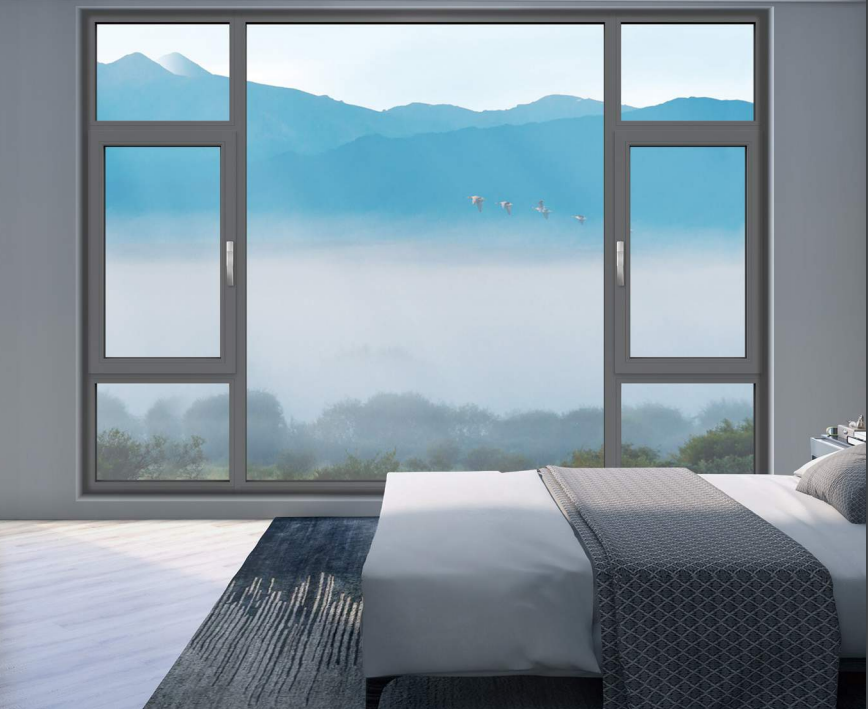
Windows account for 25% of residential heating and cooling energy use, making them a significant opportunity for energy savings. Without energy-efficient windows, you're likely dealing with high utility bills, uncomfortable drafts, and fluctuating temperatures. Start by looking for ENERGY STAR windows that meet strict performance standards set by the Department of Energy and U.S. Environmental Protection Agency.
The windows also display a National Fenestration Rating Council (NFRC) label. The label shows the U-factor, the SHGC, how much air leaks through, and how well it blocks UV rays. Use these ratings to compare windows and choose the best option for your climate.
U-Factor Window Energy Ratings
U-factor measures how quickly heat moves through your window. Lower U-factor numbers mean better insulation. Most quality windows have U-factors between 0.20 and 0.60. The best windows for cold climates have U-factors of 0.30 or lower to keep heating costs down.
SHGC Window Energy Ratings
Solar Heat Gain Coefficient (SHGC) measures how much solar heat passes through your window on a scale from 0 to 1. Lower SHGC numbers block more heat from the sun. The best windows for hot climates have an SHGC rating below 0.30 and can help reduce air conditioning costs. In cold climates, higher SHGC ratings can help with passive solar heating in winter.
How to Choose the Best Energy-Efficient Windows for Your Home
Different frame materials perform differently based on your climate. According to the Department of Energy, vinyl, wood, fiberglass, and composite frames offer great thermal resistance.
Vinyl Replacement Windows for Energy Efficiency
Vinyl frames contain hollow cavities that can be filled with insulation for superior thermal performance in cold climates. Vinyl replacement windows provide natural insulation while requiring almost no maintenance.
- Multi-chambered frames: Multiple air pockets within the frame slow heat transfer and improve thermal performance.
- Natural insulation: Vinyl resists heat conduction, keeping indoor temperatures stable without added energy use or drafts.
- Low-E glass options: Low-emissivity coatings reflect heat back into your home during winter and block solar heat during summer.
- Moisture resistance: Vinyl won't rot, warp, or swell when exposed to humidity, making it ideal for bathrooms, kitchens, and humid climates.
Thermally Broken Aluminum Windows
The best aluminum windows use a thermal break to stop heat transfer in hot climates. This insulating plastic strip sits between the inside and outside of the frame, creating a barrier that prevents heat conduction. The Alexues® Series aluminum windows feature this thermal break technology along with other high-performance benefits.
- Thermal break design: Minimizes heat transfer, enhances energy efficiency, and reduces condensation for comfortable indoor temperatures year-round.
- Sound insulation: Standard three-glass, two-cavity hollow tempered glass reduces outdoor noise up to 40dB for a quieter indoor environment.
- Corrosion resistance: Extruded aluminum doesn't rust, and its naturally occurring oxide layer protects the surface for long-lasting performance.
Buy Energy-Efficient Windows at Home Center Outlet
Thermally broken aluminum delivers strength, sound reduction, and corrosion resistance, while vinyl provides natural insulation with minimal maintenance. Matching these features to your local climate ensures maximum energy savings and year-round comfort.
Shop our selection of replacement windows to find the perfect energy-efficient windows for your home. Call us at (470) 835-3978 or request a window quote to get started today.


