

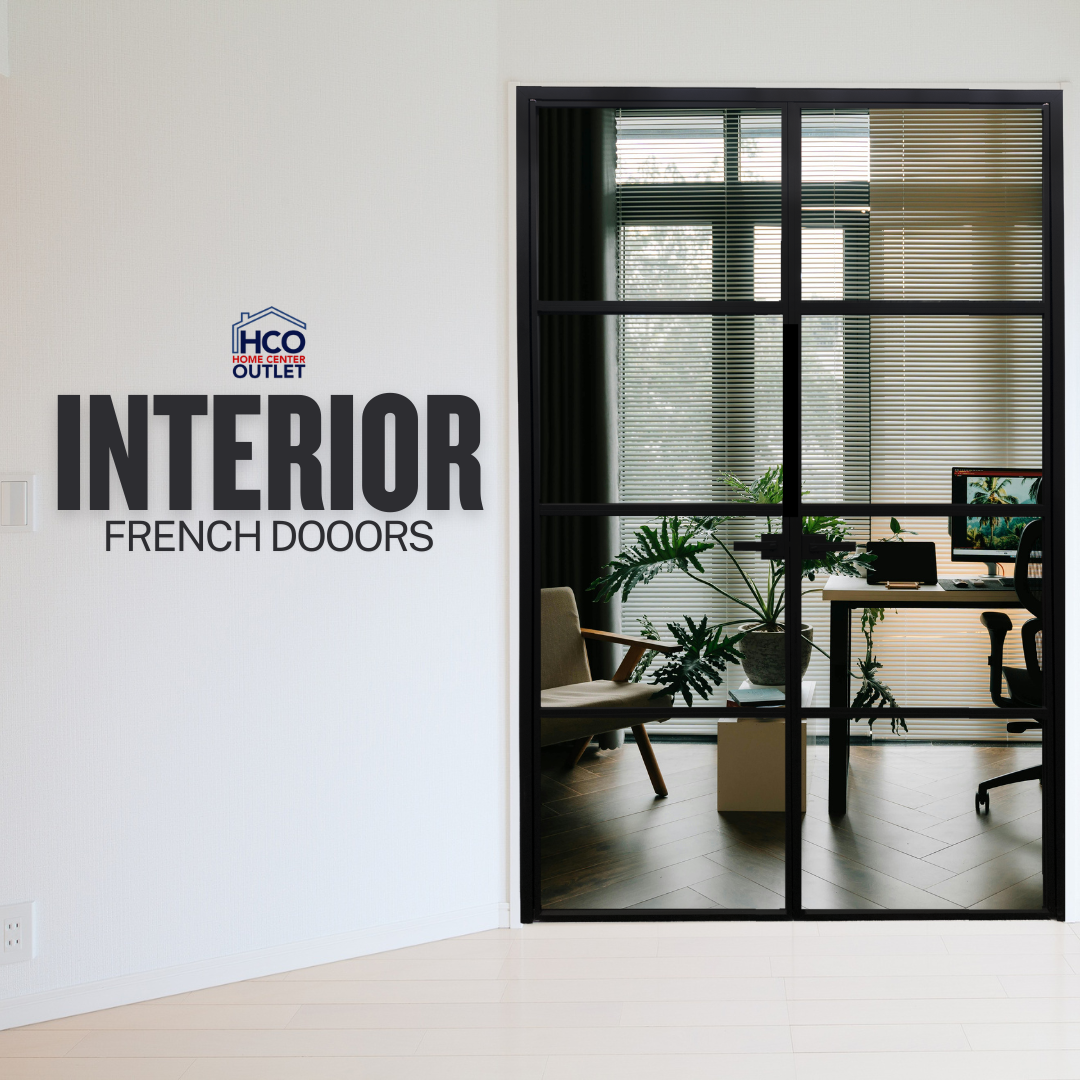
French doors for inside are quickly becoming a defining feature in modern home design. Homeowners are drawn to their ability to fill rooms with natural light, create a sense of openness, and introduce timeless style. In 2025, the demand for french doors for inside continues to rise as they offer unmatched flexibility, sophisticated appeal, and real value to any living space.
Curious how to make the most of this trend? This expert guide covers everything you need to know, from styles and materials to installation, design inspiration, maintenance, and the latest trends. Get ready to discover how french doors for inside can transform your home.
Understanding Interior French Doors: Styles, Materials & Features
French doors for inside have become a signature element in modern interior design. Their timeless charm and practical advantages set them apart from standard interior doors. Understanding the key characteristics, styles, materials, glass options, and features will help you choose the ideal french doors for inside your home.

Defining Interior French Doors
French doors for inside are defined by their double-door configuration and multiple glass panels that extend most of the door’s length. Unlike solid doors, these doors allow light to pass through, connecting rooms visually while still offering a degree of separation.
Their classic design is marked by symmetrical frames and clear or decorative glass. This sets french doors for inside apart from pocket doors, sliding barn doors, or traditional panel doors, which often block light and limit sightlines. By choosing french doors for inside, homeowners can enjoy a blend of privacy and openness that other interior doors rarely provide.
Popular Styles for 2025
In 2025, french doors for inside come in a range of styles to suit different tastes and layouts. Traditional options feature divided lites and ornate trim, perfect for classic interiors. For a modern look, sleek frames and minimal grids are trending.
Emerging styles include sliding french doors for inside, which save floor space, and folding or pocket versions for flexible room division. Many recent home remodels showcase these innovative styles, proving that french doors for inside can be adapted to almost any décor, from rustic to contemporary.
Material Choices: Pros & Cons
Selecting the right material for french doors for inside is crucial for both function and aesthetics. Here’s a quick comparison:
|
Material |
Pros |
Cons |
|---|---|---|
|
Wood |
Warmth, classic look |
Requires maintenance |
|
MDF |
Cost-effective, smooth |
Less durable than wood |
|
Aluminum |
Lightweight, modern finish |
Can dent or scratch |
|
Steel |
Strength, slim profiles |
Heavier, industrial look |
|
Composite |
Stable, low maintenance |
Limited finishes |
Wood offers a timeless appeal, while metals like aluminum and steel provide a modern touch. MDF and composite options are practical for budget-conscious projects. Each material impacts the look, durability, and price of french doors for inside.
Glass Options & Customization
The glass in french doors for inside is a key element in both style and function. Choices range from clear glass for maximum light to frosted or textured varieties for added privacy. Decorative glass with etched patterns or divided lites can create a unique focal point.
Safety and privacy are important considerations. Thicker, tempered glass is popular for homes with children or in high-traffic areas. Customization trends include unique grid patterns and colored glass. For those seeking a truly personalized touch, consider exploring Custom Door Quote Services to design bespoke french doors for inside that fit your vision.
Key Features to Look For
When selecting french doors for inside, prioritize features that enhance comfort and usability. Soundproofing is important for home offices or bedrooms, while energy-efficient glass can help regulate indoor temperatures. Security features, such as robust locks and reinforced frames, are increasingly in demand.
Hardware options, from classic brass handles to sleek black levers, allow for further personalization. Accessibility features, like low thresholds and wider openings, ensure that french doors for inside meet the needs of every household member, making them a smart investment for modern homes.
Choosing the Perfect French Doors for Your Space
Selecting the right french doors for inside your home can transform both the look and function of any space. With so many styles and features available, making the best choice requires careful consideration of your room, measurements, design, and budget. Let us guide you step by step through the process.
Assessing Your Room’s Needs
Before you choose french doors for inside, evaluate your space’s size, layout, and how people move through the area. French doors work well where you want to create a sense of openness without sacrificing privacy.
For example, in a home office, they let in light but can be closed for focus. In dining rooms, they offer a dramatic entrance. Bedrooms and closets benefit from their elegance and practicality.
Think about how much wall space you have, and whether you need sound control or visual separation. French doors are ideal for spaces needing both connectivity and distinction.
Sizing & Measuring for a Perfect Fit
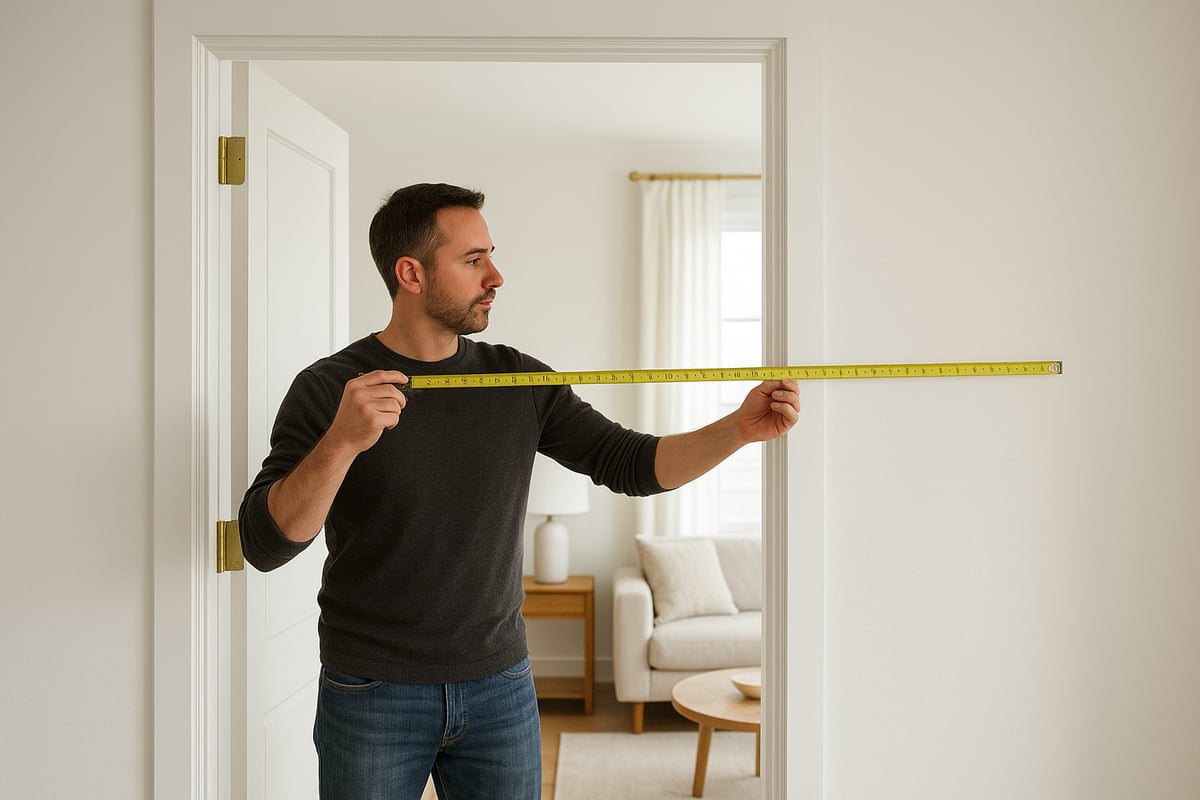
Getting the right fit is critical when installing french doors for inside your home. Start by deciding if standard or custom door sizes suit your opening. Measure both width and height of the frame at several points to ensure accuracy.
Always check for squareness by measuring diagonally. Common mistakes include ignoring uneven floors or walls. Use a level and measuring tape for best results, and account for trim and hardware clearance.
If you have a unique space, custom sizing may be necessary. Proper measurement ensures your new doors look seamless and operate smoothly.
French Door Configurations & Opening Styles
French doors for inside come in several configurations to match your preferences and space constraints. Traditional in-swing or out-swing double doors are classic, but sliding and pocket styles are gaining popularity in compact areas.
Single french doors suit smaller rooms or closets, while double setups create a grand focal point. Consider how much clearance you have for swinging doors, or if a sliding mechanism would maximize usable space.
Choose your opening style based on how you use the room. Each configuration brings unique benefits for function and style.
Matching French Doors to Your Interior Design
To make your french doors for inside blend seamlessly, coordinate them with your existing flooring, wall colors, and trim. For modern homes, choose minimalist frames and clear glass. Traditional spaces benefit from detailed grids and warm wood finishes.
Eclectic interiors can use bold colors or mixed materials for a custom touch. Look for inspiration in design magazines or online galleries to see real-life examples.
Small touches, like matching hardware or unique glass patterns, can make your doors a standout feature while still harmonizing with your overall décor.
Budgeting & Value Considerations
Setting a budget for french doors for inside involves more than just the purchase price. Wood and custom glass options cost more, while MDF and composite are more affordable.
Factor in installation, hardware, and potential energy savings. Investing in quality doors can boost your home’s value and reduce utility costs over time.
To maximize your investment, compare materials and finishes, and consider long-term maintenance. Ask about warranties and durability before making a final decision.

Where to Buy Quality Interior French Doors
Finding the right supplier is essential when shopping for french doors for inside. Look for retailers who offer a broad selection, design expertise, and responsive service.
For those seeking variety and expert guidance, Home Center Outlet French Doors provides a wide range of sizes, finishes, and glass options. Their team can assist with custom designs and consultations, ensuring a perfect match for your vision.
Whether you need immediate pickup or nationwide shipping, choosing a trusted source makes the process smooth and satisfying.
Step-by-Step Guide: Installing Interior French Doors
Upgrading your living space with french doors for inside can transform both function and style. A smooth installation process ensures these doors will operate flawlessly and look stunning for years. Whether you are a seasoned DIYer or a first-timer, following a systematic approach is crucial. Let us walk through each step, so your interior french doors for inside deliver the perfect finish.

Planning & Preparation
Proper planning is the foundation for successfully installing french doors for inside. Begin by gathering essential tools: a tape measure, level, drill, screwdriver, shims, and a hammer. Choose the right doors for your space and double-check all measurements before getting started.
Next, prepare your workspace. Clear the area of furniture and debris to ensure safety and ease of movement. Read through the entire installation process ahead of time to anticipate each step. For comprehensive guidance, refer to this How to Install French Doors resource, which provides detailed instructions and helpful diagrams.
Take note of any existing trim or baseboards that may need removal. Have protective eyewear and gloves on hand for safety. Planning ahead sets you up for a seamless transition to your new french doors for inside.
Removing the Old Door (if applicable)
Before installing new french doors for inside, you will need to remove any existing door and frame. Start by taking off the old door from its hinges using a screwdriver or drill. Carefully remove the pins and lift the door away.
Next, use a pry bar to detach the trim and molding around the frame. Work slowly to avoid damaging the surrounding wall or flooring. If the frame is secured with nails or screws, extract them methodically.
Dispose of the old door and frame responsibly. Sweep the area to remove dust or debris. Taking your time during this phase ensures your new french doors for inside will fit properly and look professional.
Framing & Structural Requirements
A solid frame is essential for the long-term performance of french doors for inside. Begin by checking that the wall opening is square and level. Use a carpenter’s square and level to verify, adjusting as needed.
If your french doors are heavier or larger than the previous doors, reinforce the framing with additional studs or headers. This prevents sagging and supports smooth operation. For non-standard openings, you may need to modify the frame or add filler strips.
Double-check all measurements before proceeding. Ensuring a sturdy, square frame is the key to a successful installation of french doors for inside.
Installing the Door Frame & Hinges
With the opening ready, position the new door frame within the space. Use shims to hold the frame level and plumb on all sides. This step is vital for the smooth operation of your french doors for inside.
Secure the frame with screws through the jambs, anchoring into the wall studs. Confirm alignment repeatedly as you tighten each screw. Next, mark hinge locations on both the door and frame, then attach the hinges with screws.
Check for even spacing around the frame. A well-set frame ensures your french doors for inside will open and close effortlessly.
Hanging the French Doors
Now it is time to hang your french doors for inside. Align each door with its corresponding hinge and insert hinge pins or screws. Have a helper support the door’s weight to prevent sagging or misalignment.
Once both doors are mounted, swing them open and closed to test for smooth movement. Adjust the hinges or shims as needed to achieve even gaps between the doors and the frame.
If you notice any sticking, use a hand plane or sandpaper to make minor adjustments. Taking care during this step guarantees your french doors for inside will function beautifully.
Finishing Touches & Hardware Installation
The final stage brings your french doors for inside to life. Install handles, locks, and other hardware according to the manufacturer’s instructions. Choose hardware that complements your interior style and provides the security you need.
Apply weatherstripping or soundproofing strips to improve comfort and reduce noise transfer. Use caulk around the frame to seal any gaps and prevent drafts. If desired, paint or stain the doors and trim for a polished finish.
Inspect your work to ensure everything is secure and operates smoothly. With these finishing touches, your french doors for inside are ready to enhance your home’s style and function.
Design Inspiration: Creative Ways to Use French Doors Inside
French doors for inside offer homeowners endless opportunities to elevate their interiors with elegance and versatility. Whether you prefer a classic look or crave a modern twist, these doors can serve as both functional elements and striking design statements. Explore the creative ways to integrate french doors for inside your home and discover inspiration for every style.

Classic Applications
French doors for inside have long been a favorite for connecting living rooms, dining rooms, and home offices. Their timeless appeal lies in the way they create a sense of openness while still providing subtle separation between spaces.
Many homeowners choose french doors for inside formal dining rooms, adding an elegant transition from the kitchen or living area. In home offices, these doors offer privacy without sacrificing natural light, making workspaces feel more inviting. Interior design magazines often highlight how these doors frame views and enhance architectural details, reinforcing their classic charm.
Modern & Unique Uses
Today, designers are reimagining french doors for inside with creative, unconventional placements. Closet entries benefit from glass panels that add sophistication and visibility, while sliding or folding versions work well as room dividers in studios or lofts.
Some modern apartments use french doors for inside as stylish pantry entrances, maximizing both aesthetics and practicality. Innovative layouts may feature double sets of doors to connect multiple rooms, optimizing flow and flexibility. This adaptability ensures french doors for inside fit seamlessly into both open-concept and compact urban environments.
Maximizing Light & Space
One of the greatest strengths of french doors for inside is their ability to brighten interiors and visually expand rooms. Glass panels allow sunlight to filter through, reducing the need for artificial lighting and making even small spaces feel larger.
For homes where space is at a premium, using french doors for inside can help create the illusion of depth and openness. Data shows that homes with these doors often report increased perceived space and improved natural light. Consider mirrored glass or slim frames to further enhance this effect, transforming ordinary rooms into airy, light-filled retreats.
Blending Styles: Transitional & Eclectic Designs
French doors for inside are not limited to one design style. Transitional interiors blend classic and modern elements, often pairing traditional french doors for inside with contemporary hardware or finishes.
Eclectic homes may mix materials, such as combining wood frames with metal grids, to create a custom look. Designers suggest coordinating door finishes with existing trim or flooring for a harmonious effect. Real-world examples show that french doors for inside can act as a unifying feature, seamlessly connecting diverse architectural details throughout the home.
Customization & Personalization Ideas
Personalizing french doors for inside allows homeowners to make a memorable design statement. Consider adding color with painted frames or choosing decorative glass options like frosted, etched, or stained designs.
Hardware offers another chance for customization. Try bold handles or unique locks to reflect your style. Stenciling or hand-painting motifs onto the glass gives french doors for inside a one-of-a-kind finish, often seen in luxury homes. With so many possibilities, these doors become an extension of your personality, showcasing creativity and attention to detail.

Maintenance, Care & Longevity Tips for Interior French Doors
Proper maintenance is essential to extend the beauty and functionality of french doors for inside your home. With the right care, these doors will continue to add elegance and value for many years. Here is an expert guide to keeping your interior french doors in top shape.
Routine Cleaning & Upkeep
Regular cleaning preserves both the appearance and performance of french doors for inside. Always use a soft, lint-free cloth and a gentle, non-abrasive cleaner on glass panels and frames. For wood, select a polish suited to the finish, while metal frames benefit from mild soap and water.
Create a cleaning schedule, focusing on fingerprints, dust, and debris. Pay special attention to door tracks and hinges, as accumulated dirt can affect movement. For further advice on cleaning strategies and recommended products, review these Product Maintenance Tips for french doors for inside.
Preventing & Addressing Common Issues
Even the best french doors for inside can develop minor problems over time. Squeaks often result from dry hinges, so apply a light lubricant as needed. If doors stick or become misaligned, check for loose screws or warped frames and make adjustments promptly.
For small chips or scratches in glass, use a clear repair kit. Address frame damage with wood filler or touch-up paint. If you encounter persistent issues like cracked glass or major misalignment, contact a professional to ensure safety and maintain the integrity of your french doors for inside.
Enhancing Durability & Performance
To maximize the lifespan of french doors for inside, focus on durability upgrades. Install high-quality hardware that resists wear, and consider soft-close mechanisms for added protection. Protect wood finishes with a sealant to prevent moisture damage, especially in humid environments.
If you have pets or young children, opt for tempered glass and reinforced frames. Regularly inspect weatherstripping to maintain energy efficiency and soundproofing. Upgrading components as needed will keep your french doors for inside looking and functioning their best.
Seasonal & Long-Term Maintenance
Seasonal changes can impact french doors for inside, so proactive maintenance is key. Check seals and hinges at the start of each season, tightening or lubricating as necessary. In humid months, ensure frames are dry and free from swelling.
Annually, inspect finishes for signs of fading or wear. Apply protective coatings if needed, and verify that all hardware operates smoothly. With these long-term practices, your french doors for inside will remain a lasting investment in your home's comfort and style.
Top Trends in Interior French Doors for 2025
The year 2025 is shaping up to be transformative for french doors for inside. Homeowners and designers are embracing new styles, smarter features, and sustainable materials to create interiors that are both functional and visually stunning.
Sustainable & Eco-Friendly Materials
Sustainability is a leading priority in 2025. More consumers are opting for french doors for inside that use FSC-certified wood, recycled aluminum, or composite materials.
Low-VOC finishes are replacing traditional paints, making indoor air healthier for families. Energy-efficient glass panels are increasingly popular, helping to regulate temperature and reduce energy bills.
Current market data shows that sustainable interior door sales are up 15% year over year. Choosing eco-friendly materials not only benefits the environment but also adds long-term value to your home.

Smart & Integrated Technology
Technological innovation is redefining how we use french doors for inside. Built-in smart locks, app-controlled access, and automation features are now available from leading brands.
Some models feature glass that can switch from clear to opaque at the touch of a button, offering instant privacy when needed. Integrated blinds are another popular option, eliminating the need for external window treatments.
With these advancements, homeowners should consider Installing French Doors with proper alignment to ensure seamless operation of smart features. These upgrades add both convenience and security to any space.
Minimalist & Frameless Designs
Minimalism continues to influence interior design, with slim profiles and frameless glass becoming a favorite for french doors for inside.
These doors provide an unobstructed view between rooms, maximizing natural light and making small spaces feel larger. The lack of bulky frames creates a clean, contemporary look that suits both modern and transitional homes.
Designers note that minimalist french doors for inside are especially effective in open plan layouts, delivering elegance without sacrificing privacy or function.
Bold Colors & Statement Hardware
Homeowners are moving beyond standard white doors by choosing bold colors and unique hardware for their french doors for inside.
Matte black, brass, and custom hues such as deep blue or emerald green are trending finishes. Statement handles, oversized hinges, and decorative locks serve as focal points, turning the doors into true design highlights.
Showcase homes in 2025 often feature these eye-catching combinations, proving that french doors for inside can be both practical and artistic.
After exploring the different styles, smart features, and design tips for interior French doors in 2025, you might find yourself inspired but still full of questions about what will work best in your own home. Whether you’re choosing between custom finishes, debating glass options, or considering installation details, expert advice can make all the difference. If you’d like personalized guidance to ensure your new French doors match your vision and needs, don’t hesitate to Contact a Specialist. We’re here to help you make the most informed, confident choice for your living space.


